
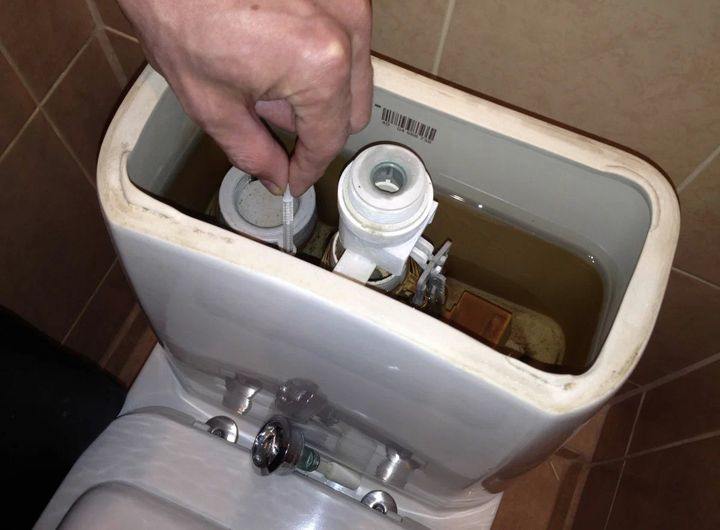
Water waste is a common problem in many homes, especially when a toilet is leaking. A constantly running toilet can increase household water use and may also raise your water bill. It is therefore worth identifying the cause and repairing the problem as soon as possible.
One commonly suggested approach is to improve the seal of the toilet’s flush valve. However, adding an improvised weight to the valve is not suitable for every toilet and can interfere with the mechanism or damage components. Before trying any modification, it is important to understand how the particular toilet operates.
Materials Needed
Small heavy object, such as a metal washer, only if it is compatible with the toilet mechanism.
Sturdy string or fine wire, if recommended for the specific repair.
Basic tools, depending on the type of adjustment or replacement required.
Procedure
The idea behind adding a small weight is to encourage a flush valve to close securely after flushing. However, a toilet that continues running may have a worn flapper, damaged seal, improperly adjusted chain, faulty fill valve, or mineral buildup. Repairing or replacing the faulty component is generally a more reliable solution than adding weight.
Identify the Valve
Remove the toilet tank lid and locate the flush valve or flapper. This is the component that opens when you flush and then closes to allow the tank to refill.
Inspect the valve, chain, and surrounding components for visible damage, mineral deposits, or signs that the valve is not sitting properly against its seal.
Check the Cause of the Leak
If water is continuously moving from the tank into the bowl, add a few drops of food coloring to the tank without flushing. Wait several minutes. If the colored water appears in the bowl, the flush valve or flapper may not be sealing correctly.
In many cases, cleaning the sealing surface or replacing a worn flapper is a safer and more effective solution than attaching a weight.
Before adding anything to the mechanism, it helps to understand when a weight may actually be appropriate—and when it can make the problem worse.
If a Weight Is Used
If a plumber or the toilet manufacturer’s instructions specifically indicate that a compatible weight can be used, choose a small object that cannot corrode, detach, or obstruct the mechanism.
Attach it securely in a location that does not prevent the valve from opening fully during a flush or cause the chain to become tangled.
After making any adjustment, flush the toilet several times and observe the valve as it opens and closes. Make sure the tank refills normally and that the valve seals completely afterward.
Adjust if Necessary
If the valve does not open or close smoothly, remove the added weight and reassess the mechanism. Do not continue increasing the weight in an attempt to force a better seal, because excessive pressure can interfere with the flush mechanism or cause premature wear.
Additional Tips
Check the parts regularly: Inspect the flush valve, flapper, chain, and other components periodically. Replace worn or deteriorated parts rather than relying on an improvised repair.
Clean the tank: Mineral deposits and debris can prevent a valve from sealing properly. Cleaning compatible components may help restore normal operation.
Avoid excessive weights: A heavy object can interfere with the mechanism, damage components, or prevent the toilet from flushing correctly. Never use an object simply because it is heavy enough to force the valve closed.
Consider replacing the flapper: If the toilet continues to leak after cleaning and adjusting the mechanism, a worn flapper or seal may be the underlying problem. These parts are often inexpensive and relatively straightforward to replace.
A simple inspection can often reveal whether the problem is a worn seal, a faulty valve, or something else entirely—and that determines the safest way to stop the water loss.
Conclusion
A running toilet can waste a significant amount of water, but the best solution depends on the cause of the leak. While a small compatible weight may help with certain toilet mechanisms, attaching an improvised object to the flush valve is not a universal plumbing fix and can create additional problems.
Inspect the toilet’s components first, clean or adjust them when appropriate, and replace worn parts when necessary. If the toilet continues to run or you are unsure which component is causing the problem, a qualified plumber can diagnose the issue and recommend a safe repair.
Fixing a leaking toilet promptly can help reduce unnecessary water consumption and prevent avoidable increases in household water costs.




Comments