Doctors Reveal What Happens to Your Body When You Eat Chia Seeds Regularly
Complete recipe — ingredients and instructions from all article pages.
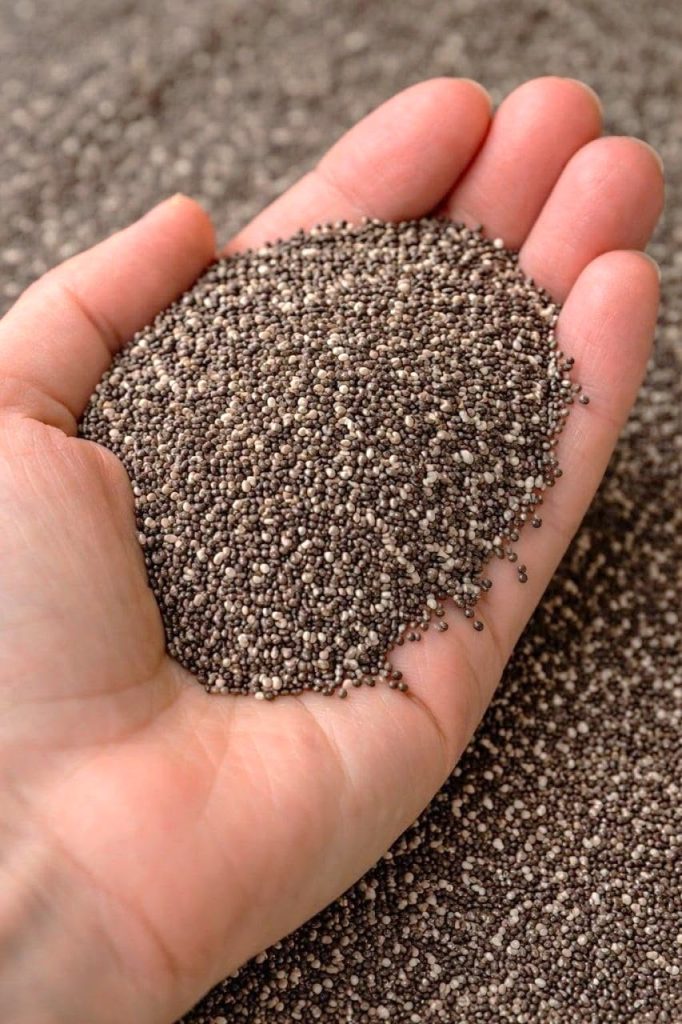
Tiny, simple, and often overlooked, chia seeds have become one of the most talked-about foods among nutrition experts. Despite their small size, these seeds contain an impressive combination of dietary fiber, plant-based omega-3 fatty acids, protein, minerals, and antioxidants.
For centuries, chia seeds have been consumed in different parts of the world, but today they are attracting renewed attention because of their nutritional properties.
What actually happens when you start eating chia seeds regularly? Could they improve digestion, support heart health, help you feel fuller for longer, or contribute to better blood sugar control?
The answers may surprise you. However, there are also a few important precautions that everyone should know before adding them to their daily routine.
- Your Digestive System May Become More Regular One of the most remarkable nutritional characteristics of chia seeds is their exceptionally high fiber content.
Just two tablespoons provide approximately 10 grams of dietary fiber, making them a convenient way to increase your daily fiber intake.
When chia seeds come into contact with liquid, they absorb water and develop a soft, gel-like coating. This happens because they contain soluble fiber, which can help support normal bowel movements.
Their fiber also provides nourishment for beneficial bacteria in the digestive system.
However, people who suddenly consume large quantities may experience bloating, gas, or abdominal discomfort. Starting with a small amount and increasing gradually is generally more comfortable. 2. They May Help You Feel Full for Longer Have you ever eaten a meal and found yourself feeling hungry again shortly afterward?
Chia seeds may help address this problem because they contain both fiber and plant-based protein.
When soaked, their soluble fiber forms a gel that increases the volume of the food in your stomach. Combined with their nutritional composition, this may contribute to a greater feeling of fullness.
Some people add chia seeds to breakfast because they are easy to combine with oatmeal, yogurt, or fruit.
Although chia seeds are not a magic solution for controlling appetite, they can be a useful addition to balanced meals. 3. They Provide Plant-Based Omega-3 Fatty Acids One of the reasons nutrition experts frequently discuss chia seeds is their high concentration of alpha-linolenic acid, commonly known as ALA.
ALA is an essential omega-3 fatty acid that your body cannot produce on its own, meaning it must come from food.
Omega-3 fatty acids play important roles in normal cell function and cardiovascular health.
Chia seeds are particularly useful for people who want to include more plant-based omega-3 sources in their diets.
However, ALA is not identical to the omega-3 fatty acids EPA and DHA found in certain fish. The body converts only a limited amount of ALA into these other forms. 4. Your Heart May Benefit From Their Nutritional Profile Chia seeds contain several nutrients associated with cardiovascular health.
Their soluble fiber may help support healthy cholesterol levels, while their ALA content contributes to an overall heart-healthy dietary pattern.
They also provide minerals such as magnesium and potassium, which are involved in normal muscle function and blood pressure regulation.
It is important to understand that chia seeds alone cannot prevent heart disease or replace prescribed medication.
Their value comes from being part of a balanced diet that includes vegetables, fruits, whole grains, and other nutritious foods. 5. They May Help Support Healthy Blood Sugar Levels Chia seeds contain a combination of soluble fiber, protein, and healthy fats.
These nutrients can influence how quickly carbohydrates are digested and absorbed when chia seeds are included in a meal.
The gel formed by their soluble fiber may slow digestion, potentially reducing the speed at which glucose enters the bloodstream.
This makes chia seeds an interesting food to include in balanced meals.
However, they do not cure diabetes, and their consumption does not eliminate the need to monitor blood glucose levels or follow medical advice. 6. They Provide Important Minerals for Bone Health Many people associate bone health exclusively with milk and dairy products, but several plant foods also provide important minerals.
Chia seeds contain calcium, phosphorus, and magnesium, all of which contribute to maintaining normal bones.
Two tablespoons can provide a meaningful amount of these minerals, although the actual amount absorbed by the body may vary.
Magnesium is particularly important because it participates in numerous processes involved in bone formation and mineral metabolism.
Adding chia seeds to oatmeal, yogurt, or smoothies can therefore help diversify your sources of bone-supporting nutrients. 7. They Contain Antioxidants That Help Protect Cells Chia seeds naturally contain antioxidant compounds that help protect their fats and other components from oxidation.
Antioxidants are important because the body constantly produces reactive molecules during normal metabolic processes.
When these molecules accumulate beyond the body's protective capacity, oxidative stress can occur.
A diet rich in different plant foods provides a variety of antioxidant compounds that contribute to overall health.
Chia seeds can be one small part of that nutritional variety. 8. They May Support Healthy Skin Healthy skin depends on several factors, including genetics, hydration, sun exposure, sleep, and nutrition.
Chia seeds provide ALA omega-3 fatty acids, protein, and minerals that contribute to normal body functions.
Their omega-3 content is particularly interesting because essential fatty acids are involved in maintaining normal cell membranes.
While chia seeds cannot erase wrinkles or reverse skin aging, consuming them as part of a balanced diet can contribute to overall nutritional health. 9. They Can Be a Convenient Source of Plant Protein For people who want to increase their intake of plant-based foods, chia seeds offer another useful source of protein.
Two tablespoons provide approximately 4–5 grams of protein.
Although this is not enough to replace a full protein-rich meal, chia seeds can complement other foods such as yogurt, milk, oats, nuts, and legumes.
They are particularly easy to incorporate into breakfast without significantly changing the flavor of a dish. 10. What Happens If You Eat Too Many Chia Seeds? Despite their nutritional benefits, chia seeds are not suitable for unlimited consumption.
Eating too much too quickly may lead to digestive discomfort because of their high fiber content.
There is also an important safety precaution: dry chia seeds absorb large amounts of liquid and expand. Swallowing a large quantity of dry seeds, especially without sufficient liquid, can create a choking risk.
People who have difficulty swallowing should be particularly careful and seek medical advice before consuming them.
Chia seeds also contain significant amounts of fiber, so people with certain digestive conditions may need to introduce them gradually or discuss their suitability with a healthcare professional. 11. What Is the Best Way to Eat Chia Seeds? There are several simple ways to incorporate chia seeds into your daily meals.
Chia water: Mix a small amount of chia seeds into a glass of water and allow them to hydrate fully before drinking.
Chia pudding: Combine chia seeds with milk or a suitable plant-based alternative. Refrigerate until the mixture develops a thick consistency, then add fresh fruit.
Breakfast oatmeal: Sprinkle hydrated chia seeds into oatmeal for additional fiber and nutrients.
Yogurt: Mix them into plain yogurt and allow enough time for them to absorb moisture.
Smoothies: Add a small quantity to your favorite fruit smoothie.
A common starting portion is one tablespoon per day, with gradual increases if tolerated. Always ensure the seeds are adequately hydrated before consuming them. Final Thoughts: Are Chia Seeds Worth Adding to Your Diet? Chia seeds may be tiny, but their nutritional profile is impressive.
They provide dietary fiber, plant-based omega-3 fatty acids, protein, calcium, magnesium, phosphorus, and antioxidant compounds.
Regularly including reasonable portions in a balanced diet may help support digestive health, cardiovascular health, normal bone function, and overall nutritional intake.
But remember: no individual food can replace a healthy lifestyle or medical treatment.
The best approach is to enjoy chia seeds as part of a varied diet, drink enough water, and pay attention to how your body responds.
Sometimes, the smallest additions to your meals can make a meaningful contribution to your overall nutrition.
Replace the doctor claim with balanced wording
Discover more delicious Recipes or the tips on our website!
https://mealhouse.zed12.com
Rarle USA · https://mealhouse.zed12.com/doctors-reveal-what-happens-to-your-body-when-you-eat-chia-seeds-regularly/