What Purple Cabbage Actually Does to Your Body: 9 Surprising Health Benefits You Should Know
Complete recipe — ingredients and instructions from all article pages.
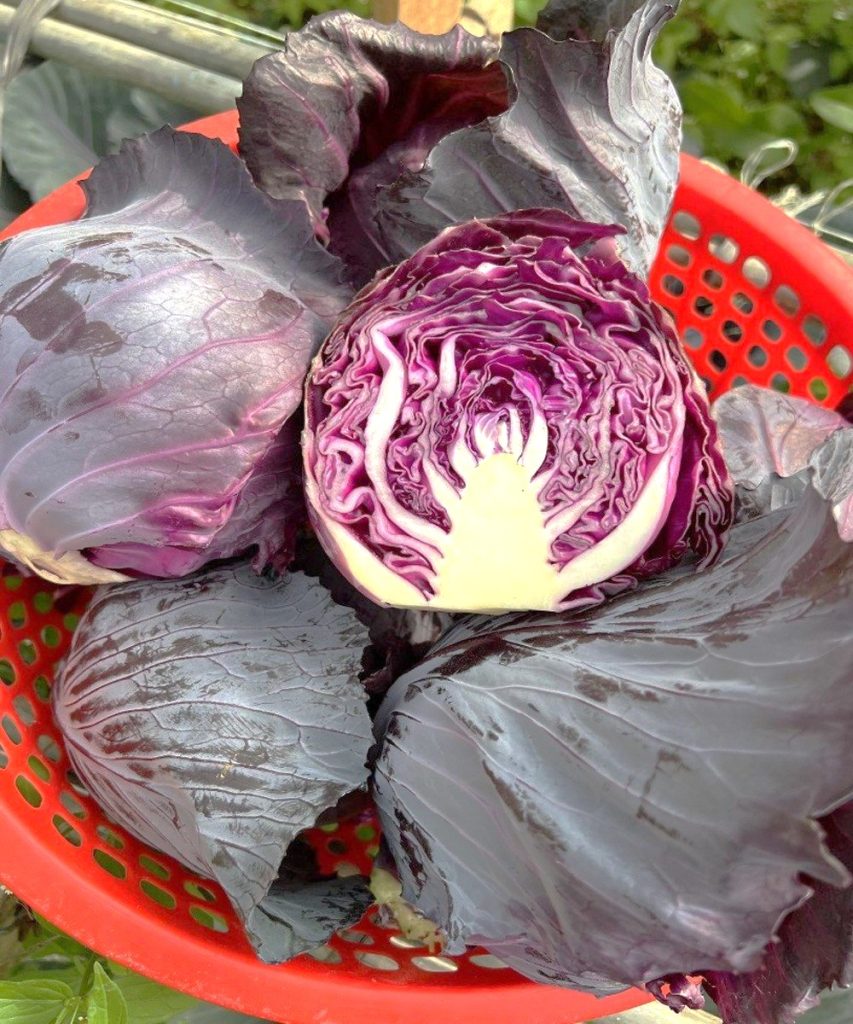
Purple cabbage may look like an ordinary vegetable, but its deep violet color hides an impressive nutritional profile. Often overlooked in everyday meals, this crunchy vegetable contains vitamins, minerals, dietary fiber, and powerful plant compounds that have attracted the attention of nutrition researchers.
What actually happens when you eat purple cabbage regularly? Could it support your heart, improve digestion, protect your cells, or contribute to healthier skin?
Its benefits go far beyond adding beautiful color to your plate. And once you understand what this vegetable contains, you may start looking at it differently.
Here are nine interesting ways purple cabbage can contribute to your health.
- It Provides Antioxidants That Help Protect Your Cells
One of the most distinctive features of purple cabbage is its rich concentration of anthocyanins.
These natural plant pigments give the vegetable its deep purple color. They belong to a group of compounds called flavonoids, which have antioxidant properties.
Antioxidants help protect cells against oxidative stress, a process associated with various aspects of aging and disease development.
Purple cabbage also contains vitamin C and other beneficial plant compounds, making it a valuable addition to a diet rich in colorful vegetables.
- It Supports Healthy Digestion
Purple cabbage is a good source of dietary fiber, which plays an important role in digestive health.
Fiber helps maintain regular bowel movements and supports the beneficial bacteria living in your digestive tract.
These bacteria contribute to several important digestive and metabolic processes.
Eating fiber-rich vegetables regularly may also help you feel more satisfied after meals.
If you are not accustomed to eating much fiber, introduce purple cabbage gradually. Eating large quantities suddenly may cause gas or bloating.
- It May Help Support Heart Health
Your heart benefits from a diet containing a variety of vegetables, and purple cabbage offers several nutrients associated with cardiovascular health.
It provides potassium, which contributes to normal blood pressure regulation, and fiber, which can help support healthy cholesterol levels.
Its anthocyanins have also attracted scientific interest because of their potential relationship with cardiovascular health.
Although purple cabbage cannot prevent heart disease on its own, including it in a balanced dietary pattern is a practical way to improve overall nutrition.
- It Helps Support a Healthy Immune System
Purple cabbage contains vitamin C, an essential nutrient involved in normal immune function.
Vitamin C contributes to the functioning of immune cells and helps protect them from oxidative damage.
It also plays an important role in collagen production, which supports the normal structure of skin, blood vessels, and connective tissues.
Adding fresh purple cabbage to salads or meals can help increase your intake of this important vitamin.
- It Contributes to Healthy Skin
Healthy skin depends on several factors, including genetics, sun protection, hydration, sleep, and nutrition.
Purple cabbage provides vitamin C, which is necessary for collagen formation.
Collagen is a structural protein that helps maintain the strength and structure of the skin.
Its antioxidant compounds also contribute to the body's natural defenses against oxidative stress.
Eating purple cabbage will not erase wrinkles or reverse aging, but it can contribute to a nutrient-rich diet that supports normal skin function.
- It May Help Support Healthy Blood Sugar Levels
Purple cabbage is relatively low in calories and contains dietary fiber.
Fiber can slow the digestion and absorption of carbohydrates when included as part of a meal, potentially helping moderate the rise in blood glucose.
Replacing some highly processed side dishes with non-starchy vegetables such as purple cabbage can also improve the overall nutritional quality of meals.
However, purple cabbage is not a treatment for diabetes, and people managing blood sugar levels should continue following their healthcare professional's recommendations.
- It Contains Nutrients That Support Bone Health
Many people immediately think of dairy products when discussing bone health, but vegetables also contribute important nutrients.
Purple cabbage provides vitamin K, which plays a role in normal blood clotting and bone metabolism.
It also contains small amounts of calcium and other minerals.
Including different vegetables in your diet can help diversify your sources of bone-supporting nutrients.
People taking blood-thinning medication such as warfarin should maintain consistent vitamin K intake and discuss significant dietary changes with their healthcare professional.
- It May Support Overall Eye Health
Purple cabbage contains several antioxidant compounds, including vitamin C and anthocyanins.
These compounds are being studied for their possible roles in protecting cells against oxidative stress.
Although purple cabbage is not a major source of vitamin A or beta-carotene compared with orange vegetables, it can still contribute to a varied diet that supports overall health.
For eye health, eating a range of colorful vegetables, including carrots, spinach, and peppers, is a sensible approach.
- It Is a Nutritious Choice for Everyday Meals
Another advantage of purple cabbage is how easily it fits into different eating patterns.
It is relatively low in calories while providing fiber and several essential nutrients.
Its crunchy texture also makes it a satisfying ingredient in salads, sandwiches, wraps, and cooked dishes.
You can eat it raw, lightly steamed, roasted, or fermented.
Different preparation methods provide different textures and flavors, making it easier to enjoy this vegetable regularly.
What Happens If You Eat Too Much Purple Cabbage?
Despite its nutritional benefits, eating excessive amounts may not suit everyone.
Purple cabbage belongs to the cruciferous vegetable family, which also includes broccoli, cauliflower, and Brussels sprouts.
Some people experience increased gas, bloating, or abdominal discomfort after eating large portions.
It also contains vitamin K, so people taking warfarin should avoid sudden major changes in their intake.
If you have a sensitive digestive system, start with smaller portions and see how your body responds.
What Is the Best Way to Eat Purple Cabbage?
To enjoy its nutritional benefits, consider including it in different meals throughout the week.
Fresh purple cabbage salad: Thinly slice the cabbage and combine it with carrots, cucumber, lemon juice, and a little olive oil.
Lightly steamed cabbage: Steam it briefly until slightly tender while retaining some of its natural crunch.
Purple cabbage soup: Add chopped cabbage to vegetable soup with onions, carrots, and other vegetables.
Fermented purple cabbage: Fermentation produces a tangy side dish and can introduce beneficial microorganisms, depending on preparation and storage.
Purple cabbage wraps: Use large cabbage leaves as a fresh alternative for wrapping chicken, beans, or other fillings.
Final Thoughts: Why This Vegetable Deserves More Attention
Purple cabbage is much more than a colorful addition to your plate.
Its combination of anthocyanins, vitamin C, vitamin K, potassium, and dietary fiber makes it a nutritious vegetable that can contribute to several aspects of overall health.
From supporting digestion and normal immune function to providing antioxidants and nutrients involved in heart and bone health, it offers plenty of reasons to include it in your meals.
However, no single vegetable can replace a balanced diet or medical treatment.
The best results come from eating a variety of vegetables and fruits, choosing minimally processed foods, staying physically active, and maintaining healthy everyday habits.
The next time you prepare a salad, consider adding some purple cabbage. Its beautiful color is only one part of what makes this vegetable worth eating.
Discover more delicious Recipes or the tips on our website!
https://mealhouse.zed12.com
Rarle USA · https://mealhouse.zed12.com/what-purple-cabbage-actually-does-to-your-body-9-surprising-health-benefits-you-should-know/