
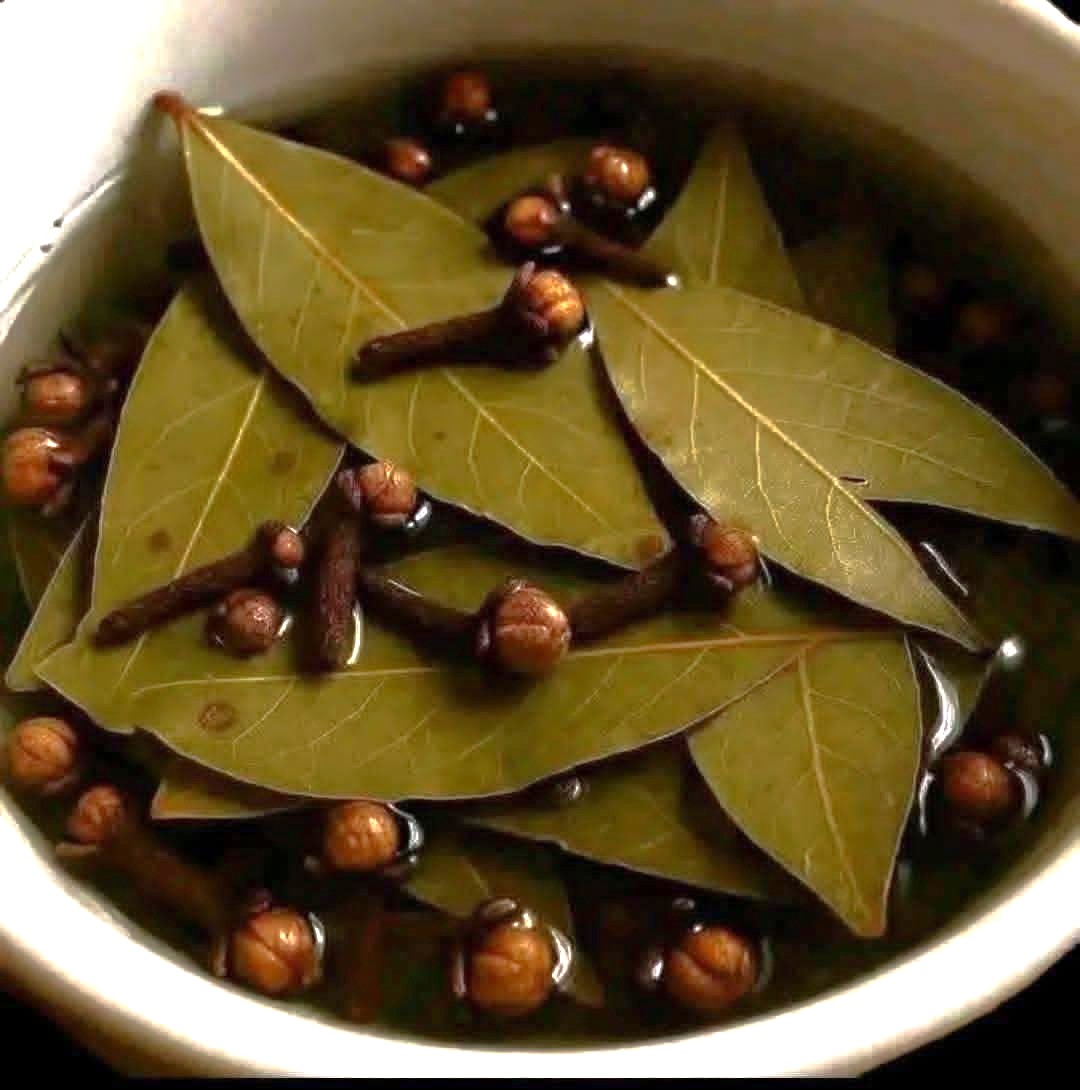
Bay Leaf and Clove Tea: A Fragrant Herbal Drink Inspired by Traditional Wellness
Sometimes, the simplest ingredients create the most comforting experiences. A few dried bay leaves, several aromatic cloves, and a pot of warm water can transform into a fragrant herbal infusion that feels both familiar and wonderfully soothing.
Bay leaf and clove tea is a traditional-inspired beverage that combines the earthy aroma of bay leaves with the warm, slightly sweet fragrance of cloves. These two spices have been used for generations in cooking and traditional preparations across Mediterranean, Middle Eastern, and South Asian cultures.
Today, many people enjoy this combination as a caffeine-free alternative to coffee or conventional tea, especially during colder evenings or after a satisfying meal.
Beyond its inviting aroma, this herbal drink offers an opportunity to slow down, enjoy a simple homemade preparation, and explore the fascinating history of everyday spices.
Why Bay Leaf and Clove Tea Deserves a Place in Your Kitchen
There is something special about preparing a drink from ingredients already sitting in your kitchen cupboard.
Bay leaf and clove tea is inexpensive, easy to prepare, and naturally free from caffeine. Its distinctive fragrance makes it an appealing choice for anyone who enjoys warm, aromatic beverages.
Here are a few reasons people appreciate this infusion:
Simple ingredients: You only need bay leaves, cloves, and water.
Naturally caffeine-free: Suitable as an alternative to caffeinated beverages.
Aromatic and flavorful: The combination creates a warm, spicy, earthy taste.
Easy preparation: The entire process takes approximately 10–15 minutes.
Customizable: Lemon, ginger, or a little honey can add extra flavor.
A comforting ritual: Preparing a warm drink can create a relaxing moment during a busy day.
Although both spices contain interesting plant compounds, their presence in tea does not establish that the beverage treats digestive problems, inflammation, or other medical conditions.
The Two Ingredients Behind This Traditional-Inspired Infusion
- Bay Leaves: An Aromatic Kitchen Staple
Bay leaves are among the most recognizable aromatic ingredients in traditional cooking.
They are commonly added to soups, stews, sauces, and rice dishes to provide a subtle fragrance and depth of flavor.
The leaves contain naturally occurring aromatic compounds that contribute to their characteristic scent.
Bay leaves have also appeared in traditional herbal preparations, where they were valued for their fragrance and culinary familiarity.
However, evidence supporting specific medicinal benefits from drinking bay leaf tea remains limited.
For this recipe, always use properly identified culinary bay leaves, preferably Laurus nobilis.
Never use unfamiliar wild leaves or substitute other plants that resemble bay laurel.
Important: Whole bay leaves are tough and should not be swallowed. Always remove and strain them before serving.
- Cloves: Small Spices With a Powerful Aroma
Cloves are dried flower buds harvested from the clove tree.
Despite their small size, they have an exceptionally strong fragrance and a distinctive warm flavor.
Their aroma comes partly from eugenol, a naturally occurring compound that researchers have studied for its antioxidant and other biological properties.
Cloves are widely used in cooking, baking, spice blends, and traditional preparations.
In this infusion, they contribute a pleasant sweetness and warming character without requiring additional sugar.
As with bay leaves, the presence of interesting compounds does not automatically mean that consuming clove tea produces clinically proven health benefits.
Bay Leaf and Clove Tea Recipe
This simple recipe produces a fragrant beverage with a balanced herbal and spicy flavor.
Ingredients
2 small culinary bay leaves
3–4 whole cloves
2 cups of water
1 teaspoon honey, optional
A small slice of lemon, optional
A little fresh ginger, optional
For a milder flavor, use fewer cloves. Their aroma becomes quite intense when steeped for too long.
Step-by-Step Instructions
Step 1: Prepare the ingredients
Rinse the culinary bay leaves briefly if necessary.
Measure the cloves and water, keeping everything ready before heating.
Step 2: Heat the water
Pour two cups of water into a small saucepan.
Add the bay leaves and whole cloves.
Step 3: Simmer gently
Bring the water to a gentle boil.
Reduce the heat and allow the mixture to simmer for approximately 5 minutes.
This helps release the spices’ aromatic compounds into the water.
Step 4: Allow the flavors to develop
Turn off the heat and cover the saucepan.
Let the infusion rest for another 3–5 minutes.
The longer it steeps, the stronger its flavor may become.
Step 5: Strain carefully
Pour the infusion through a fine strainer into a cup.
Remove all bay leaves and cloves before drinking.
Step 6: Add your favorite finishing touch
If desired, add a little honey, a small slice of lemon, or a touch of fresh ginger.
Serve warm and enjoy the fragrance.
What Makes This Tea So Aromatic?
The flavor of bay leaf and clove tea comes from the natural aromatic compounds found in both ingredients.
Bay leaves contribute a subtle herbal fragrance that is sometimes described as earthy, woody, and slightly floral.
Cloves add a deeper, sweeter aroma with a warm and spicy character.
When heated together in water, these ingredients create a distinctive infusion that is different from ordinary black tea or green tea.
The result is a beverage that can be enjoyed without milk, coffee, or complicated preparation.
Traditional Uses and What Science Actually Says
Bay leaves and cloves have long histories in traditional practices.
Some cultures have used them in preparations associated with digestive comfort, seasonal wellness, and relaxation.
However, traditional use should not be confused with scientific proof.
Digestive Comfort
Bay leaves and cloves are sometimes associated with digestive wellness in traditional herbal practices.
Their aromatic qualities may make the beverage pleasant to enjoy after a meal.
Nevertheless, there is insufficient strong human evidence to conclude that bay leaf and clove tea reliably relieves bloating, gas, indigestion, or other digestive disorders.
Persistent digestive symptoms should not be treated by relying on herbal drinks alone.
Antioxidant Research
Both ingredients contain naturally occurring compounds that have attracted scientific interest.
Laboratory studies have investigated antioxidant activity in bay leaves and cloves.
Clove contains eugenol, while bay leaves contain several aromatic and phenolic compounds.
However, laboratory research does not establish that drinking this infusion produces the same effects inside the human body.
The concentration of these compounds in homemade tea may also differ considerably from laboratory extracts.
Relaxation and Evening Comfort
One of the most enjoyable aspects of this beverage is its fragrance.
A warm drink, a quiet environment, and a few minutes away from screens or daily responsibilities can create a relaxing evening routine.
The calming experience may come largely from the ritual itself rather than a proven medicinal effect of the ingredients.
Seasonal Warmth
During colder weather, aromatic drinks can feel especially comforting.
The warmth of the liquid and the pleasant spice aroma may provide temporary comfort when relaxing indoors.
However, this tea should not be considered a treatment for respiratory infections, sore throats, or other illnesses.
Delicious Ways to Customize Your Bay Leaf and Clove Tea
One advantage of homemade herbal beverages is that they can easily be adapted to personal taste.
Lemon and Bay Leaf Tea
Add a small slice of lemon after straining.
The citrus flavor creates a brighter, fresher taste that balances the earthy aroma of bay leaves.
Ginger and Clove Infusion
Add one thin slice of fresh ginger while simmering the ingredients.
Ginger provides an additional warming flavor and works particularly well during colder weather.
Honey-Sweetened Herbal Tea
If you prefer a sweeter beverage, add a small amount of honey after the tea has cooled slightly.
You can also enjoy it without sweeteners to appreciate the natural aroma of the spices.
A Mild Cinnamon Variation
A very small piece of cinnamon can add a sweet, woody fragrance.
Use it sparingly because bay leaves and cloves already provide a strong aromatic profile.
When Is the Best Time to Enjoy This Herbal Drink?
There is no scientifically established ideal time to drink bay leaf and clove tea.
However, its flavor makes it suitable for several everyday occasions.
After a meal: Some people enjoy a warm herbal beverage as part of their usual post-meal routine.
During a quiet evening: Its fragrance makes it an enjoyable alternative to coffee or caffeinated tea.
On colder days: A warm cup can provide a comforting sensation when temperatures drop.
During a relaxing break: Preparing the infusion can be a simple way to pause and enjoy a moment of calm.
These are lifestyle preferences rather than medically proven benefits.
Important Safety Considerations
Although bay leaves and cloves are familiar culinary spices, concentrated herbal preparations are not automatically safe for everyone.
A few precautions are worth remembering:
Use only correctly identified culinary bay leaves.
Never swallow whole bay leaves because they may cause choking or digestive irritation.
Avoid using unknown plants collected outdoors.
Do not consume concentrated clove oil as a substitute for ordinary culinary cloves.
Use modest culinary quantities rather than preparing highly concentrated infusions.
Be cautious if you take medication, particularly medicines that affect blood clotting.
Ask a healthcare professional before regularly using medicinal amounts of these spices during pregnancy, breastfeeding, or when managing a medical condition.
Cloves contain eugenol, which can affect blood clotting at sufficiently high exposures. Concentrated preparations may also carry risks that are not comparable to ordinary food use.
If you experience an unexpected reaction after drinking an herbal preparation, stop using it and seek appropriate medical advice.
How to Store Bay Leaves and Cloves
Proper storage helps preserve the aroma of your spices.
Bay Leaves
Keep dried bay leaves in an airtight container.
Store them in a cool, dry place away from direct sunlight and excessive moisture.
Whole dried leaves generally retain their aroma longer than crushed leaves.
Cloves
Store whole cloves in a tightly sealed jar.
Keep them away from heat, humidity, and direct sunlight.
Whole cloves usually retain their fragrance better than ground cloves.
What About the Tea?
Bay leaf and clove tea is best prepared fresh.
If you make more than you need, allow it to cool, refrigerate it promptly in a clean covered container, and consume it within a short period.
Avoid leaving homemade herbal infusions at room temperature for extended periods.
Frequently Asked Questions
Can I drink bay leaf and clove tea every day?
There is insufficient evidence to establish a safe daily medicinal regimen for this combination. Occasional use in modest culinary quantities is different from concentrated or repeated medicinal consumption.
Does this tea help with weight loss?
No reliable clinical evidence shows that bay leaf and clove tea independently produces meaningful weight loss.
Weight management depends on multiple factors, including nutrition, physical activity, sleep, and individual health.
Can this tea detox the body?
There is no good evidence that this infusion removes toxins or performs a special detoxification function.
The liver and kidneys already play essential roles in processing and eliminating waste from the body.
Does bay leaf and clove tea contain caffeine?
No. Neither culinary bay leaves nor cloves naturally contain caffeine.
Can I drink it before bedtime?
You can enjoy a warm, caffeine-free beverage in the evening if it agrees with you.
However, it has not been established that this specific infusion improves sleep quality.
Can I add milk?
You can experiment with small amounts if you enjoy the flavor, although the traditional aromatic character is usually appreciated without milk.
Final Thoughts: A Simple Herbal Tradition Worth Enjoying Responsibly
Bay leaf and clove tea is a beautiful example of how familiar kitchen spices can create an enjoyable homemade beverage.
Its warm fragrance, simple preparation, and caffeine-free nature make it an appealing option for anyone who enjoys exploring traditional-inspired drinks.
The ingredients have interesting histories and contain compounds that continue to attract scientific attention.
Still, the most responsible way to appreciate this infusion is to enjoy it for its flavor and comforting ritual rather than expecting it to cure illnesses or deliver guaranteed health benefits.
Sometimes, wellness begins with something wonderfully simple: a warm cup, a peaceful moment, and the pleasure of enjoying familiar ingredients.
Prepare it gently, savor its aroma, and let the experience be about comfort, curiosity, and mindful enjoyment.
Disclaimer: This article is for informational and educational purposes only. It does not constitute medical advice or establish the safety or effectiveness of bay leaf and clove tea as a treatment. Herbal preparations may interact with medications or cause adverse effects. Consult a qualified healthcare professional if you have medical concerns or are considering regular medicinal use.
Discover more delicious Recipes or the tips on our website!
https://mealhouse.zed12.com






Comments