
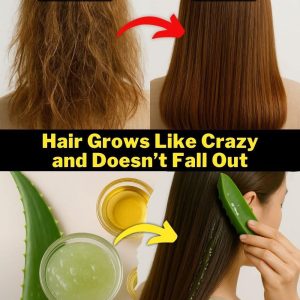
Have you ever wondered whether a simple plant could help improve the appearance and condition of your hair? Aloe vera has been used in traditional beauty routines for generations, and today, many people include it in their hair-care practices.
Known for its soothing and moisturizing properties, aloe vera is often associated with healthier-looking hair, a more comfortable scalp, and improved hair-care routines.
But what can this natural ingredient actually do for your hair? And how can you use it safely at home?
Let’s explore the potential benefits of aloe vera, a simple hair-care recipe, and what science really says about hair growth.
Why Is Aloe Vera So Popular for Hair Care?
Aloe vera is a succulent plant whose leaves contain a transparent gel rich in water and various naturally occurring compounds.
This gel is widely used in cosmetic products because of its moisturizing and soothing properties.
When applied to the scalp and hair, aloe vera may help:
Moisturize dry hair and scalp.
Improve the feeling of scalp comfort.
Make hair easier to manage.
Reduce dryness-related discomfort.
Support a gentle hair-care routine.
However, it’s important to understand that aloe vera has not been proven to dramatically accelerate hair growth or prevent hair loss.
5 Potential Benefits of Aloe Vera for Your Hair
- Helps Moisturize Dry Hair
Dry hair can feel rough, look dull, and become difficult to manage.
Aloe vera gel contains water and can help provide temporary moisture to the hair.
Some people find that using aloe vera makes their hair feel softer and easier to comb.
- May Help Soothe an Uncomfortable Scalp
A dry or irritated scalp can sometimes feel uncomfortable.
Aloe vera is commonly used in skincare products for its soothing properties, and some people apply it to their scalp as part of their hair-care routine.
However, persistent itching, redness, or flaking may indicate a scalp condition that requires appropriate treatment.
- Makes Hair Easier to Manage
When hair feels dry or rough, it may become more difficult to comb.
Aloe vera gel can provide a lightweight conditioning effect for some hair types, potentially making hair feel smoother.
The results depend on your hair texture, the product used, and how your hair responds to it.
- Supports a Healthy-Looking Hair Routine
Healthy-looking hair depends on several factors, including gentle washing, appropriate conditioning, avoiding excessive heat, and protecting hair from unnecessary damage.
Aloe vera can be one component of a routine designed to maintain hair’s appearance and manageability.
- May Help Reduce Dryness-Related Hair Breakage
Hair breakage and hair shedding are different problems.
Breakage happens when the hair shaft becomes damaged and snaps. Shedding involves hairs leaving the scalp.
A moisturizing hair-care routine may help reduce some dryness-related breakage, but aloe vera has not been established as a treatment for hair shedding or hair loss.
How to Use Aloe Vera Gel for Hair at Home
If you enjoy natural hair-care ingredients, you can try a simple aloe vera application.
Ingredients
2 tablespoons of pure aloe vera gel.
A small amount of water if needed to adjust the consistency.
Choose a clean, commercially prepared aloe vera gel intended for cosmetic use, preferably without added fragrance or irritating ingredients.
Instructions
Place the aloe vera gel in a clean bowl.
Mix it gently until it becomes easy to spread.
Apply a small amount to your scalp or hair.
Massage gently without scratching the scalp.
Leave it on briefly, according to your skin’s tolerance.
Rinse thoroughly with lukewarm water.
Start with a small amount and stop using it if you experience itching, burning, redness, or irritation.
Important Things to Know Before Using Aloe Vera
Although aloe vera is widely used in cosmetic products, natural ingredients are not automatically suitable for everyone.
Keep these precautions in mind:
Perform a small patch test before applying it widely.
Avoid products containing irritating fragrances or unnecessary additives.
Do not apply aloe vera to broken or irritated skin without appropriate advice.
Stop using it if an allergic reaction occurs.
Avoid assuming that natural remedies can replace medical treatment for hair loss.
What Actually Helps Hair Grow and Stay Healthy?
Hair growth is influenced by genetics, hormones, nutrition, health conditions, and the natural hair-growth cycle.
If your goal is healthier hair, consider these evidence-based habits:
Eat a balanced diet: Adequate protein, iron, and other nutrients support normal hair growth. Supplements are generally useful only when a deficiency or another appropriate indication exists.
Avoid excessive heat: Frequent high-temperature styling can damage hair and contribute to breakage.
Use gentle hair-care products: Choose products appropriate for your hair type and avoid aggressive treatments that cause irritation.
Address persistent hair loss: If you notice significant shedding, thinning, or bald patches, a dermatologist can help identify the cause and recommend appropriate treatment.
Final Thoughts
Aloe vera is a popular natural ingredient that may help moisturize hair and support a comfortable scalp-care routine.
While it can be a useful addition to personal hair care, there is currently insufficient strong scientific evidence that aloe vera alone makes hair grow dramatically faster or prevents hair loss.
The best approach is to combine gentle hair care with healthy habits and seek professional advice when hair loss becomes persistent or noticeable.
Sometimes, the simplest ingredients can make your hair-care routine more enjoyable, even when their benefits are more modest than viral headlines suggest.



Comments