
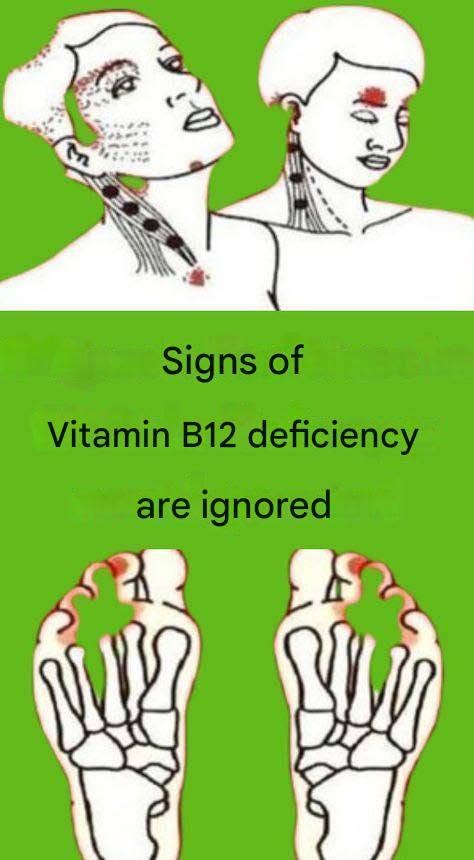
Vitamin B12 deficiency is often overlooked because its symptoms can develop slowly and may be confused with other health problems. If left untreated, however, B12 deficiency can lead to more serious complications. Here are some signs of vitamin B12 deficiency that people often ignore.
-
Fatigue and Weakness
Unusual fatigue or weakness, even after a full night’s sleep, can be an early sign of vitamin B12 deficiency. This may occur because B12 is important for the production of red blood cells, which carry oxygen throughout the body. -
Pale or Yellowish Skin
A B12 deficiency can contribute to anemia, which may cause the skin to appear pale. In some people, the skin can also develop a yellowish appearance because of changes associated with red blood cell breakdown. -
Tingling or Numbness
One of the more concerning signs of B12 deficiency is tingling or numbness in the hands, feet, or legs. This can occur because inadequate B12 may affect normal nerve function and, when prolonged, can contribute to nerve damage. Some people describe the sensation as “pins and needles.” -
Difficulty Walking or Poor Coordination
Because B12 plays an important role in nerve function, a deficiency can affect coordination, balance, and muscle strength. In some cases, this may lead to difficulty walking or an unsteady gait.
These neurological changes can be easy to dismiss, but the next signs show how vitamin B12 deficiency may also affect memory, mood, and everyday mental function.
-
Memory Problems or Cognitive Changes
Vitamin B12 deficiency can be associated with memory problems, difficulty concentrating, confusion, and other changes in cognitive function. More severe deficiency may cause significant neurological symptoms. These symptoms can have many possible causes, so they should not automatically be attributed to low B12. -
Mood Changes or Depression
A B12 deficiency may be associated with mood changes, irritability, or depressive symptoms. Vitamin B12 is involved in several processes that support normal nervous-system function, although mood symptoms can have many different causes. -
Shortness of Breath or Dizziness
People with B12 deficiency may experience shortness of breath, dizziness, or lightheadedness, particularly if the deficiency has contributed to anemia. Reduced red blood cell production can affect the body’s ability to transport oxygen efficiently. -
Glossitis (Swollen or Inflamed Tongue)
A B12 deficiency can cause the tongue to become sore, swollen, smooth, or inflamed. This condition is known as glossitis and may sometimes make eating, swallowing, or speaking uncomfortable. -
Vision Problems
In some cases, prolonged vitamin B12 deficiency can affect the optic nerve and contribute to vision problems. Blurred vision or other changes in eyesight should be evaluated by a healthcare professional rather than assumed to be caused by B12 deficiency. -
Digestive Problems
A B12 deficiency may be associated with digestive symptoms such as nausea, diarrhea, constipation, or loss of appetite. These symptoms are nonspecific and can occur with many other digestive conditions.
When several seemingly unrelated symptoms appear together, the final warning sign may provide another reason to discuss vitamin B12 levels with a healthcare professional.
- Heart Palpitations
People with vitamin B12 deficiency may experience heart palpitations or a rapid heartbeat, particularly when the deficiency has caused significant anemia. Anemia can reduce the blood’s oxygen-carrying capacity, causing the heart to work harder.
Who Is at Risk for Vitamin B12 Deficiency?
Certain groups may have a higher risk of developing vitamin B12 deficiency, including:
Older adults: The ability to absorb vitamin B12 can decrease with age.
Vegans and some vegetarians: Vitamin B12 occurs naturally mainly in animal-derived foods, so people who avoid these foods may need fortified foods or supplements to obtain adequate amounts.
People with digestive problems: Conditions such as celiac disease and Crohn’s disease can interfere with B12 absorption. Some people who have undergone weight-loss surgery may also have an increased risk.
People taking certain medications: Some medicines, including proton pump inhibitors, can affect vitamin B12 absorption, particularly with prolonged use.
When Should You See a Doctor?
If you experience several of these symptoms or believe you may be at risk for vitamin B12 deficiency, it is important to speak with a doctor or other qualified healthcare professional. A blood test can help assess whether your B12 level is low, and additional tests may sometimes be needed to determine the cause.
Treatment depends on the underlying cause and may include dietary changes, fortified foods, oral supplements, or vitamin B12 injections when medically appropriate. A healthcare professional can recommend the most suitable approach based on your individual circumstances.
Because many of these symptoms can have causes other than B12 deficiency, it is best to avoid self-diagnosing based on symptoms alone.
Have you experienced any of these symptoms, or do you know someone who may be at risk for vitamin B12 deficiency?




Comments