
Have you ever looked at something you normally throw away and wondered whether it might have another purpose?
For many people, the avocado seed is simply a waste product left behind after preparing a delicious meal. Yet in different traditional cultures, various seeds, flowers, roots, and spices have been explored for their aromatic qualities and their place in everyday wellness practices.
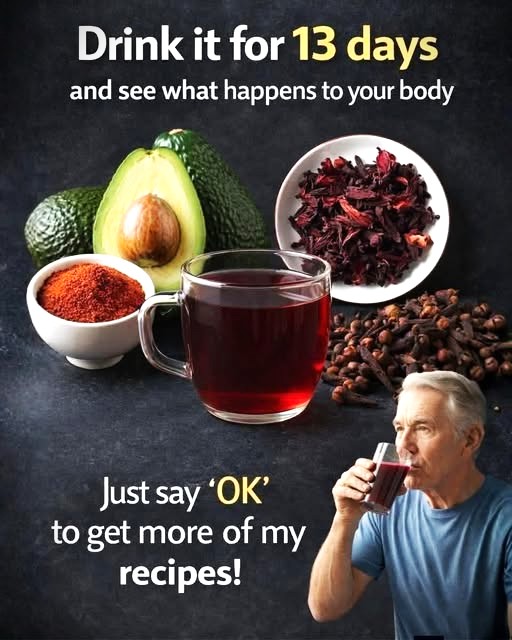
The avocado seed has attracted particular curiosity because of its unusual appearance, firm texture, and the natural compounds researchers have investigated in laboratory studies. Combined with fragrant hibiscus flowers and aromatic cloves, it forms an interesting blend that has inspired conversations about traditional plant-based preparations.
But what exactly is behind this combination, and why has it attracted so much attention?
A Traditional-Inspired Combination of Three Natural Ingredients
This preparation brings together three recognizable plant ingredients, each with its own history of culinary or traditional use.
- Avocado Seed
The avocado seed is usually discarded, although researchers have studied it for its naturally occurring plant compounds, including polyphenols.
These compounds have attracted scientific interest because of their antioxidant activity in laboratory settings. However, laboratory findings do not automatically mean that consuming avocado seed provides the same effects in humans.
Its safety as a regular food ingredient remains insufficiently established, which is why it should not automatically be treated as a safe herbal supplement.
- Hibiscus Flowers
Hibiscus, sometimes called Jamaica flower, is widely recognized for its deep red color, refreshing aroma, and slightly tart flavor.
Hibiscus tea is enjoyed in many countries and can be prepared as a warm or chilled beverage. Researchers have also investigated hibiscus preparations for possible effects on blood pressure and other health markers.
Nevertheless, individual responses vary, and hibiscus is not a substitute for prescribed medical treatment.
- Whole Cloves
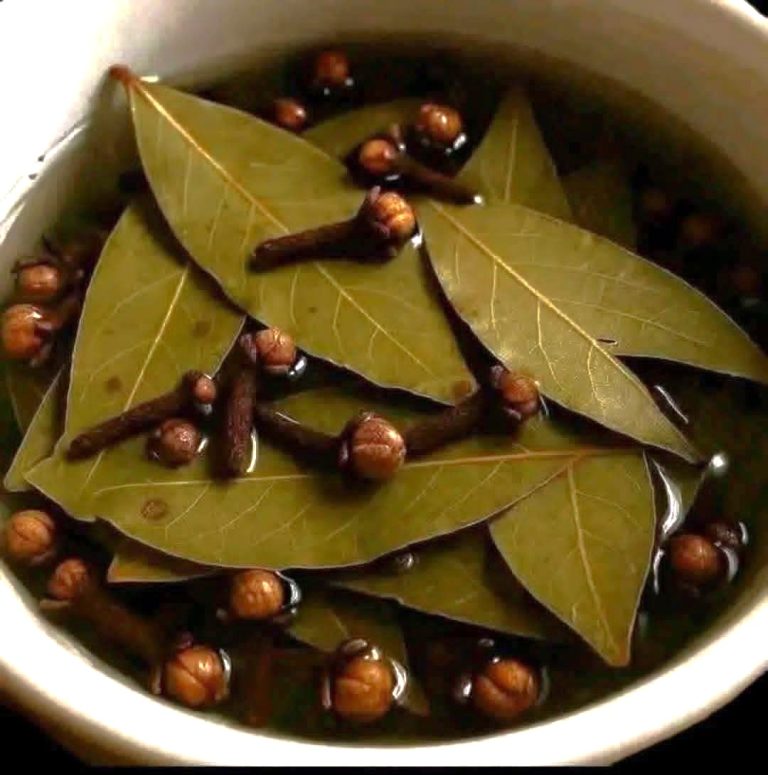
Cloves are aromatic flower buds commonly used in cooking, baking, and traditional preparations.
Their distinctive fragrance comes partly from eugenol, a naturally occurring compound that has been studied for several biological properties.
In ordinary culinary quantities, cloves are a familiar ingredient. Concentrated clove preparations, however, are different and may carry additional risks.
How to Prepare a Hibiscus and Clove Infusion
A simple hibiscus infusion can be prepared using familiar kitchen ingredients without adding an avocado seed.
Ingredients
1 handful of dried hibiscus flowers
A small handful of whole cloves
3 cups of water
Preparation
Pour the water into a saucepan.
Add the dried hibiscus flowers and whole cloves.
Bring the mixture to a gentle boil.
Reduce the heat and allow it to simmer for approximately 5–10 minutes.
Turn off the heat and let the ingredients steep briefly.
Strain the liquid into a cup.
Allow it to cool to a comfortable drinking temperature.
The result is a fragrant, naturally colorful infusion with a distinctive combination of floral and spicy notes.
You can enjoy it warm or allow it to cool before serving.
Why Are People Interested in These Natural Ingredients?
Interest in traditional plant preparations often comes from a desire to reconnect with simple ingredients and familiar practices.
Some people appreciate herbal beverages because they offer an alternative to heavily sweetened drinks. Others enjoy experimenting with different flavors, learning about plants, or incorporating more mindful habits into their daily routines.
There are several reasons why this particular combination attracts attention:
Plant compounds: Avocado seeds, hibiscus, and cloves contain naturally occurring compounds that researchers continue to investigate.
Aromatic qualities: Hibiscus and cloves create a distinctive fragrance and flavor.
Traditional curiosity: Plant-based preparations have been part of culinary and cultural traditions for generations.
Mindful routines: Preparing a warm beverage can become a relaxing moment during a busy day.
It is important, however, to distinguish traditional associations and laboratory research from proven health benefits in humans.
What Does Science Actually Say About Avocado Seeds?
Avocado seeds have received scientific attention because they contain various naturally occurring compounds.
Some laboratory studies have explored their antioxidant properties, while other research has investigated their chemical composition.
Despite this interest, important questions remain unanswered:
How safe is avocado seed consumption in humans?
What quantities, if any, could be considered safe?
How might its compounds interact with medications?
Could regular consumption produce unwanted effects?
Are the laboratory findings relevant to people drinking homemade infusions?
These questions cannot be answered simply by describing an ingredient as natural.
At present, avocado seeds are not established as a safe, beneficial everyday herbal drink, and there is insufficient human evidence to recommend consuming them regularly.
A Few Important Things to Remember
Natural ingredients deserve the same careful consideration as other substances we consume.
Hibiscus may affect blood pressure and can interact with certain medications. Clove preparations, particularly concentrated forms, may also interact with medications or increase certain risks.
Avocado seed preparations present an additional concern because their safety for human consumption has not been adequately established.
For these reasons, it is best to avoid drinking homemade avocado seed preparations, particularly on an empty stomach or as a repeated daily regimen.
Anyone who takes medication, has an underlying health condition, or is considering herbal preparations for a specific medical concern should consult a qualified healthcare professional first.
The Takeaway: Curiosity Is Valuable, but Safety Comes First
The avocado seed is an interesting example of how an ordinary kitchen ingredient can become the subject of traditional curiosity and scientific investigation.
Its combination with hibiscus and cloves may sound intriguing, but curiosity should not be confused with evidence of effectiveness.
A pleasant herbal beverage can be part of an enjoyable routine without being promoted as a cure, detox solution, or guaranteed treatment.
Sometimes, the most valuable wellness habit is simply choosing reliable information, enjoying familiar ingredients responsibly, and remembering that natural does not automatically mean safe.
Discover more delicious Recipes or the tips on our website!
https://mealhouse.zed12.com
Comments