
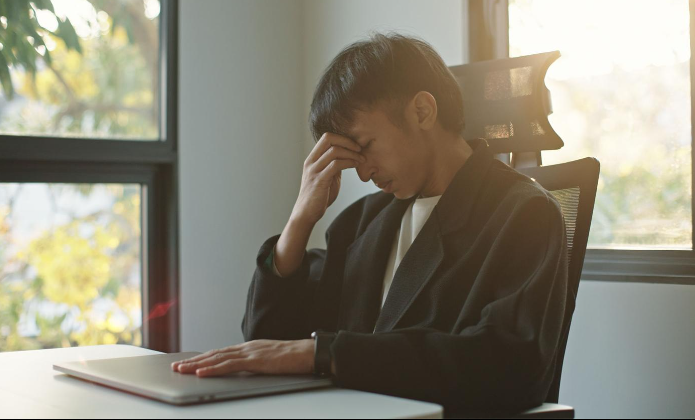
Stress and anxiety can affect much more than your mood. Sometimes, the effects appear physically, making you feel exhausted, uncomfortable, or even confused about what is happening to your body.
From persistent headaches to digestive discomfort and difficulty sleeping, stress can trigger a wide range of symptoms that interfere with everyday life. Understanding these signs can help you recognize when your body may be responding to emotional pressure and when it might be time to seek professional advice.
Here are seven common symptoms associated with stress and anxiety, why they happen, and what you can do to manage them.
- Frequent Headaches
Headaches are among the most common physical complaints associated with stress. When you experience prolonged emotional tension, your muscles may tighten, particularly around your neck, shoulders, and scalp.
This tension can contribute to tension-type headaches, which often feel like pressure or tightness around the forehead or the back of the head.
Stress-related headaches may become more noticeable during busy periods, emotional difficulties, or situations involving constant worry.
What may help:
- Take regular breaks from screens.
- Maintain a consistent sleep schedule.
- Drink enough water.
- Practice relaxation techniques.
- Avoid prolonged muscle tension.
Frequent, severe, or unusual headaches should be evaluated by a healthcare professional rather than automatically attributed to stress.
- Digestive Problems and Stomach Discomfort
Have you ever noticed your stomach feeling uncomfortable before an important event or during a particularly stressful day?
The connection between the brain and the digestive system is powerful. Stress can influence how the digestive tract moves and how sensitive it becomes to discomfort.
Some people experience:
- Stomach cramps.
- Bloating.
- Nausea.
- Changes in bowel movements.
- Reduced appetite.
- Increased digestive sensitivity.
These symptoms may occur because stress affects communication between the brain and the gut.
Although emotional stress can contribute to digestive discomfort, persistent digestive symptoms may also have other medical causes that deserve attention.
3. Difficulty Sleeping
lytepsych.com
One of the most frustrating effects of stress and anxiety is difficulty getting a good night’s sleep.
When your mind continues thinking about responsibilities, problems, or future situations, it may become difficult to relax enough to fall asleep.
Stress-related sleep problems can include:
- Taking longer than usual to fall asleep.
- Waking up several times during the night.
- Feeling tired after sleeping.
- Experiencing racing thoughts at bedtime.
Poor sleep can also make stress feel more intense the following day, creating a cycle that becomes difficult to break.
Establishing a relaxing bedtime routine, limiting caffeine late in the day, and maintaining regular sleeping hours may help improve sleep quality.
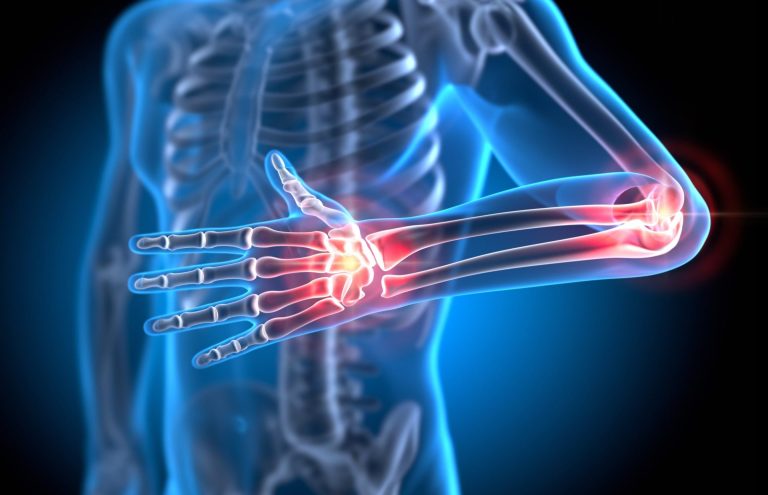
4. Muscle Tension and Body Aches
Stress doesn’t always remain in your thoughts. It can also affect the way your muscles feel throughout the day.
When your body responds to stressful situations, muscles may become tense as part of its natural response. If this tension continues for extended periods, it may contribute to discomfort.
Common areas affected include:
- The neck.
- The shoulders.
- The upper back.
- The jaw.
- The lower back.
Some people notice that they clench their teeth or tighten their shoulders without realizing it.
Gentle stretching, regular movement, relaxation exercises, and taking breaks from sitting may help reduce muscle tension.
5. Rapid Heartbeat or Palpitations
unsw.edu.au
Anxiety can activate the body’s fight-or-flight response, releasing stress hormones that prepare you to respond to perceived danger.
As a result, you may notice your heart beating faster or more forcefully than usual.
This sensation is sometimes described as:
- A racing heartbeat.
- A pounding heart.
- Feeling your heartbeat in your chest.
- Temporary increases in heart rate during stressful situations.
Although anxiety can cause palpitations, not every episode of a rapid heartbeat is anxiety-related.
Seek urgent medical attention if palpitations occur with chest pain, fainting, severe shortness of breath, or other concerning symptoms.
6. Difficulty Concentrating and Brain Fog
When your mind is constantly occupied by worries, it may become harder to focus on everyday tasks.
Stress and anxiety can interfere with attention, working memory, and decision-making, making simple activities feel unexpectedly difficult.
You might notice:
- Forgetting small details.
- Losing track of conversations.
- Struggling to finish tasks.
- Reading the same sentence repeatedly.
- Feeling mentally overwhelmed.
This experience is sometimes described as brain fog.
Taking short breaks, reducing unnecessary distractions, organizing responsibilities, and getting adequate sleep may help improve concentration.
If concentration problems persist or significantly interfere with daily life, a healthcare professional can help identify possible causes.
7. Constant Fatigue and Low Energy
ghostbed.ca
Feeling exhausted despite having relatively little physical activity can sometimes be associated with prolonged stress.
Stress may interfere with sleep, increase muscle tension, and make it harder to recover mentally from daily responsibilities.
As a result, some people experience:
- Persistent tiredness.
- Reduced motivation.
- Difficulty getting started with tasks.
- Feeling mentally drained.
- Reduced energy throughout the day.
However, fatigue can also be caused by sleep disorders, nutritional deficiencies, infections, and other medical conditions.
If exhaustion continues despite adequate rest, it is important to consider a medical evaluation instead of assuming stress is the only explanation.
How to Reduce Stress and Anxiety Naturally
Managing stress does not necessarily require making dramatic changes to your lifestyle. Small, consistent habits can make a meaningful difference.
Consider these practical strategies:
-
Practice slow breathing. Gentle, comfortable breathing can help your body relax during stressful moments.
-
Move regularly. Walking, stretching, or other enjoyable physical activities may help improve mood and reduce tension.
-
Protect your sleep. Try to maintain consistent sleeping and waking times.
-
Reduce excessive caffeine. Too much caffeine may increase nervousness, interfere with sleep, and contribute to palpitations.
-
Take breaks from constant stimulation. Give yourself time away from screens, notifications, and unnecessary distractions.
-
Talk about what you’re experiencing. Sharing concerns with a trusted person may help reduce emotional pressure.
-
Seek professional support when needed. If anxiety becomes persistent, overwhelming, or interferes with daily activities, a healthcare professional can help you find appropriate support.
Final Thoughts
Stress and anxiety can influence both emotional well-being and physical health. Headaches, digestive discomfort, muscle tension, sleep difficulties, palpitations, concentration problems, and fatigue are among the symptoms that may occur during periods of prolonged stress.
Recognizing these symptoms is an important first step toward understanding your body’s responses and taking better care of yourself.
Remember: Not every physical symptom is caused by anxiety. New, persistent, severe, or unexplained symptoms deserve medical attention, especially when they interfere with your everyday life.
Taking stress seriously, building healthy habits, and seeking help when necessary can make a meaningful difference in your overall well-being.


Comments