
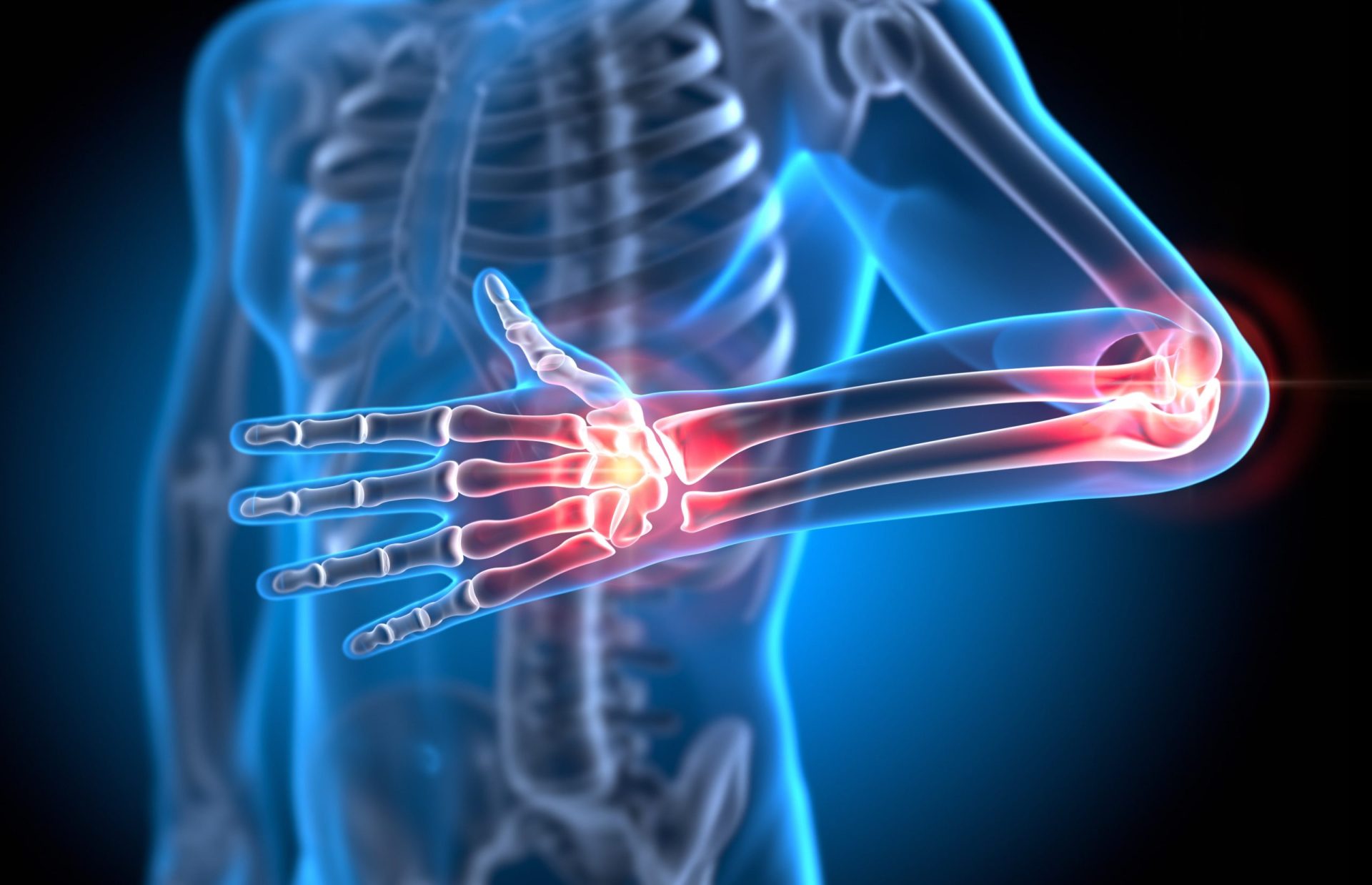
🥤 The Five Drinks That May Be Harmful to Your Bones, According to Health Experts
Title
5 Drinks That May Weaken Your Bones – What Health Experts Want You to Know
Description
Some popular drinks may affect bone health when consumed regularly or in excessive amounts. Discover five beverages that may interfere with calcium balance and learn how to make healthier choices to support strong bones.
Introduction
Your bones play an essential role in supporting your body, protecting important organs and helping you stay active. Maintaining healthy bones requires several nutrients, including calcium, vitamin D and protein.
However, some everyday beverages may influence bone health, especially when they replace nutritious drinks or are consumed in excessive amounts.
According to bone health experts, high caffeine intake, heavy alcohol consumption and frequent cola consumption may be associated with changes in calcium balance and bone health.
Here are five drinks worth paying attention to and what you should know about their potential effects on your bones.
🥤 1. Cola and Dark Soft Drinks
Cola drinks are among the beverages most frequently discussed when it comes to bone health. Some research has linked regular cola consumption with lower bone mineral density, particularly in certain groups.
One possible explanation is that cola often contains caffeine and phosphoric acid. However, scientists have not established that these ingredients directly cause bone loss in healthy people.
Another concern is that people who regularly drink cola may consume fewer calcium-rich beverages.
Why to be careful:
Some colas contain caffeine.
Many contain added sugar.
They may replace more nutritious drinks in your daily diet.
Frequent consumption may contribute to an unbalanced diet.
Healthier Alternative:
Choose water, milk or calcium-fortified beverages more often.
☕ 2. Too Much Coffee
Coffee is enjoyed around the world, but consuming large amounts of caffeine may affect calcium balance.
Research suggests that caffeine can slightly reduce calcium absorption and increase the amount of calcium lost through urine.
According to the Bone Health and Osteoporosis Foundation, drinking more than three cups of coffee daily may interfere with calcium absorption, particularly when calcium intake is insufficient.
Why to be careful:
High caffeine intake may increase calcium loss.
Coffee can replace calcium-rich beverages.
The potential effects may be more concerning when the diet is low in calcium.
Healthier Alternative:
Choose decaffeinated coffee occasionally and include calcium-rich foods in your meals.
⚡ 3. Highly Caffeinated Energy Drinks
Energy drinks can contain substantial amounts of caffeine, and some also contain large amounts of added sugar.
High caffeine intake may interfere with calcium balance. Regularly replacing nutritious drinks with energy drinks may also make it harder to maintain a balanced diet.
However, there is still limited direct evidence that energy drinks independently cause osteoporosis.
Why to be careful:
Some products contain high amounts of caffeine.
Added sugar can contribute to excessive sugar consumption.
They may replace nutritious beverages.
High caffeine intake can also interfere with sleep.
Healthier Alternative:
Choose water, milk or naturally caffeine-free beverages instead.
🍷 4. Alcoholic Beverages
Heavy alcohol consumption is associated with poorer bone health and an increased risk of fractures.
Research suggests that excessive alcohol can interfere with the body’s ability to maintain healthy bone tissue. It may also affect calcium and vitamin D metabolism.
The National Institute on Aging identifies heavy alcohol consumption as a risk factor for weakened bones.
Why to be careful:
Heavy consumption is associated with bone loss.
It can interfere with normal bone formation.
It may increase the risk of falls and fractures.
It can contribute to nutritional deficiencies.
Healthier Alternative:
Avoid alcoholic beverages and choose water or other non-alcoholic drinks.
🧋 5. Sugary Soft Drinks and Sweetened Iced Tea
Sweetened soft drinks and bottled iced teas can contain considerable amounts of added sugar. Although sugar itself has not been conclusively shown to directly weaken bones, frequently consuming these beverages instead of nutritious drinks can affect overall dietary quality.
Some sweetened iced teas also contain caffeine, which may contribute to calcium loss when consumed in excessive amounts.
Why to be careful:
They may contain large amounts of added sugar.
Some varieties contain caffeine.
They can replace calcium-rich beverages.
Frequent consumption may contribute to an unbalanced diet.
Healthier Alternative:
Try water, unsweetened herbal tea or naturally flavored water without added sugar.
🦴 Simple Ways to Support Healthy Bones
Healthy bones depend on more than what you drink. Everyday habits and a balanced diet also play an important role.
Here are some helpful ways to support bone health:
Get enough calcium: Include milk, yogurt, cheese and leafy green vegetables in your diet.
Get enough vitamin D: Vitamin D helps your body absorb calcium.
Eat enough protein: Protein supports normal bone structure and overall health.
Stay physically active: Walking, dancing and age-appropriate strength exercises help support healthy bones.
Drink enough water: Water is an important part of maintaining overall health.
Avoid smoking: Smoking is a recognized risk factor for weakened bones.
Limit excessive caffeine: Avoid relying on highly caffeinated beverages.
❓ Frequently Asked Questions
Can drinking soda weaken your bones?
Some studies have associated frequent cola consumption with lower bone density. However, there is no conclusive evidence that carbonation itself damages bones.
Does coffee cause calcium loss?
Caffeine can slightly increase calcium loss and reduce calcium absorption. The potential effect is more important when someone does not get enough calcium from their diet.
Are energy drinks bad for bone health?
Energy drinks may contain high amounts of caffeine. Excessive caffeine intake may affect calcium balance, although direct evidence linking energy drinks to bone loss is still limited.
Does alcohol affect bone strength?
Yes. Heavy alcohol consumption is associated with bone loss and a higher risk of fractures.
What is the best drink for healthy bones?
Water is an excellent everyday choice. Milk and calcium-fortified beverages can also provide nutrients that support bone health.
Can you improve bone health through diet?
A balanced diet containing enough calcium, vitamin D and protein can help support healthy bones. Regular physical activity is also important.
⭐ Conclusion
Your daily beverage choices can play a role in your overall health, including the health of your bones.
Cola, excessive coffee, highly caffeinated energy drinks, alcoholic beverages and sugary soft drinks are worth paying attention to, particularly when they replace nutritious options.
The good news is that maintaining healthy bones does not require complicated changes. A balanced diet, enough calcium and vitamin D, regular physical activity and sensible beverage choices can all help support your bones over time.
📢 Call-to-Action
Want to discover more interesting health and nutrition tips?
👉 Discover more helpful Health & Wellness Articles on our website!
https://mealhouse.zed12.com/



Comments