
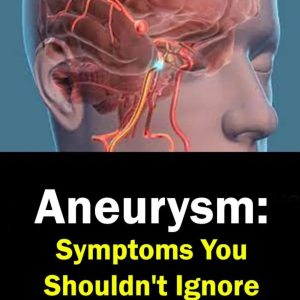
An aneurysm can develop quietly, sometimes without causing any noticeable symptoms. That is why understanding the warning signs is important. Although many aneurysms are discovered during tests for unrelated reasons, some can become serious medical emergencies if they rupture.
Knowing what to look out for can help you recognize when urgent medical attention is needed.
What Is an Aneurysm?
An aneurysm occurs when part of a blood vessel wall becomes weakened and bulges outward, forming a balloon-like area. It can develop in different parts of the body, but the most common locations include:
The brain: An intracranial or cerebral aneurysm affects an artery in the brain.
The aorta: This is the body’s largest artery, which carries blood from the heart to the rest of the body.
Other arteries: Aneurysms can also develop in blood vessels elsewhere in the body.
Not every aneurysm is dangerous, but its size, location, and growth can influence the risk of complications.
- A Sudden, Extremely Severe Headache
A sudden, unusually severe headache can be a warning sign of a ruptured brain aneurysm.
Some people describe it as the worst headache they have ever experienced. It may appear suddenly rather than gradually.
Important: A sudden, extremely severe headache requires emergency medical attention, even if it is the only symptom.
- Vision Changes
An aneurysm near certain nerves in the brain may cause changes in vision, especially if it presses against nearby structures.
Possible symptoms include:
Blurred or double vision
Pain around or behind one eye
A drooping eyelid
Changes in pupil size
Sudden vision loss or new double vision should be assessed urgently.
- Pain in the Chest, Back, or Abdomen
An aneurysm in the aorta may cause pain depending on its location.
For example:
A chest-area aneurysm may cause chest or upper-back discomfort.
An abdominal aortic aneurysm may cause persistent abdominal or back pain.
Sudden, severe chest, back, or abdominal pain can indicate a medical emergency, particularly when accompanied by faintness, weakness, or difficulty breathing.
- Dizziness or Loss of Balance
Some brain aneurysms, particularly when they rupture, can affect the nervous system.
Warning signs may include:
Sudden dizziness
Difficulty walking or maintaining balance
Confusion
Sudden weakness or numbness
These symptoms can have several causes, including stroke. Sudden neurological symptoms should never be ignored.
- Nausea and Vomiting
Nausea and vomiting can occur when a brain aneurysm ruptures, often alongside a severe headache.
However, these symptoms are common in many less serious conditions too. Their significance depends on the overall situation and any accompanying warning signs.
- A Pulsating Feeling in the Abdomen
Some people with an abdominal aortic aneurysm may notice a pulsing sensation in their abdomen.
An aneurysm can sometimes be detected during a physical examination or an ultrasound scan.
However, feeling a pulse in your abdomen does not automatically mean you have an aneurysm. Only appropriate medical assessment can determine the cause.
What Happens If an Aneurysm Ruptures?
A ruptured aneurysm can cause internal bleeding. A rupture in the brain can lead to bleeding around the brain, while a ruptured aortic aneurysm can cause severe internal bleeding.
Both situations are life-threatening emergencies.
Call your local emergency service immediately if someone experiences a sudden extremely severe headache, sudden severe chest or back pain, fainting, or other serious symptoms. Do not wait for symptoms to improve.
Who May Have a Higher Risk?
Several factors can increase the likelihood of developing certain types of aneurysms, including:
High blood pressure
Smoking
A family history of aneurysms
Older age
Certain inherited conditions affecting blood vessels
Some vascular diseases
Having one or more risk factors does not mean someone will develop an aneurysm. It simply means that discussing individual risk with a healthcare professional may be worthwhile.
Can an Aneurysm Be Prevented?
Not every aneurysm can be prevented, but certain habits can help protect blood vessel health:
Keep blood pressure under control with appropriate medical guidance.
Avoid smoking.
Stay physically active in ways that are appropriate for your health.
Follow medical advice if you have a family history of aneurysms.
Attend recommended screening or follow-up appointments.
People with known aneurysms should follow their clinician’s advice about monitoring and treatment.
How Is an Aneurysm Diagnosed?
Doctors may use different tests depending on the suspected location.
These can include:
Ultrasound: Often used to examine the abdominal aorta.
CT scan: Helps identify aneurysms and assess their size and location.
MRI or MRA: Provides detailed images of blood vessels and surrounding structures.
CT angiography: Uses imaging and contrast material to examine blood vessels.
Some aneurysms can be monitored over time, while others may require treatment.
Final Thoughts
An aneurysm does not always cause symptoms, and many are discovered before they become an emergency. However, sudden severe headaches, unexplained severe chest or back pain, fainting, and sudden neurological changes are warning signs that require immediate medical attention.
The most important thing to remember is that recognizing symptoms cannot confirm or rule out an aneurysm. If something feels suddenly and seriously wrong, seek emergency medical care rather than waiting.





Comments