
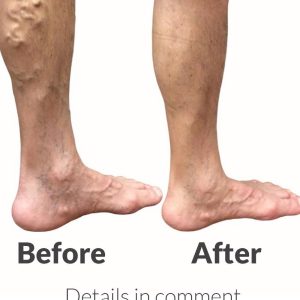
Have you ever noticed enlarged, twisted veins appearing just beneath the skin of your legs? These may be varicose veins, a common condition that affects many adults.
For some people, varicose veins are mainly a cosmetic concern. For others, they can cause discomfort, swelling, heaviness, or aching, especially after spending long periods standing or sitting.
Understanding why varicose veins develop, recognizing their symptoms, and knowing which treatments are available can help you make informed decisions about your vascular health.
What Are Varicose Veins?
Varicose veins are enlarged, swollen veins that usually appear on the legs and feet. They often look blue, purple, or dark and may appear twisted or raised beneath the skin.
Healthy veins contain tiny valves that help blood travel back toward the heart. When these valves become weak or stop working properly, blood can flow backward and collect inside the veins.
This increases pressure within the veins, causing them to enlarge over time.
Varicose veins are different from tiny spider veins, which are smaller blood vessels visible close to the skin’s surface.
- What Causes Varicose Veins?
Several factors can contribute to the development of varicose veins.
Weak vein valves: When the valves inside veins do not function properly, blood can accumulate instead of moving efficiently toward the heart.
Age: Vein walls and valves may become less flexible with age, increasing the likelihood of varicose veins.
Family history: People with close relatives who have varicose veins may have a higher risk of developing them.
Pregnancy: Changes in hormones, increased blood volume, and pressure on pelvic veins can contribute to varicose veins during pregnancy.
Prolonged standing or sitting: Remaining in one position for extended periods can make it harder for blood to circulate efficiently through the legs.
Excess body weight: Additional pressure on the veins may contribute to the development or worsening of symptoms.
- Common Symptoms You Should Know
Varicose veins do not always cause discomfort. However, some people experience symptoms such as:
Enlarged, twisted veins that are visible beneath the skin.
Aching or discomfort in the legs.
A feeling of heaviness, especially toward the end of the day.
Swelling around the ankles and feet.
Itching around affected veins.
Muscle cramps, particularly at night.
Skin discoloration around the lower legs.
Symptoms may become more noticeable after long periods of standing or sitting and may improve when the legs are elevated.
- Can Varicose Veins Lead to Complications?
Most varicose veins are not immediately dangerous, but some cases can develop complications.
These include:
Skin changes: Long-term pressure in the veins can cause the skin around the ankles to become darker, irritated, or thicker.
Leg ulcers: In more advanced cases, poor venous circulation can contribute to wounds near the ankles that are slow to heal.
Bleeding: Veins close to the surface of the skin can sometimes bleed after a minor injury.
Superficial thrombophlebitis: A blood clot can develop in a vein near the skin’s surface, causing redness, tenderness, and warmth.
Sudden swelling or pain in one leg, especially with warmth or redness, needs prompt medical assessment because it can indicate a deeper blood clot.
If leg swelling or pain occurs together with sudden shortness of breath or chest pain, seek emergency medical care.
- Natural Ways to Support Healthy Circulation
Healthy daily habits may help reduce discomfort and support blood flow, although they cannot repair damaged vein valves or remove established varicose veins.
Here are some useful measures:
Walk regularly: Walking activates the calf muscles, which help push blood upward through the veins.
Avoid staying in one position: If you sit or stand for long periods, take regular movement breaks.
Elevate your legs: Raising your legs when resting may help reduce swelling and heaviness.
Stay physically active: Activities such as walking, swimming, and cycling can support general circulation.
Maintain a balanced diet: Eating a variety of fruits, vegetables, whole grains, and other nutritious foods supports overall vascular health.
Wear comfortable clothing: Avoid clothing that feels excessively tight around the waist or legs if it causes discomfort.
- Medical Treatments for Varicose Veins
When symptoms are persistent or varicose veins cause complications, a healthcare professional may recommend medical treatment.
The appropriate option depends on the size, location, and severity of the affected veins.
Compression Stockings
Compression stockings apply controlled pressure to the legs, helping blood move toward the heart.
They may reduce swelling, aching, and heaviness, but they do not permanently eliminate varicose veins.
A healthcare professional can help determine the appropriate compression level.
Sclerotherapy
Sclerotherapy involves injecting a medical solution into an affected vein. The treatment causes the vein to close gradually, allowing blood to flow through healthier veins instead.
It is commonly used for smaller varicose veins and spider veins.
Endovenous Laser Treatment
This minimally invasive procedure uses laser energy delivered through a thin catheter to close an affected vein.
It is often performed using local anesthesia and may be suitable for certain larger veins.
Radiofrequency Ablation
Radiofrequency ablation uses heat energy to close an unhealthy vein from the inside.
Like laser treatment, it is a minimally invasive option used in selected patients.
Surgery
In some cases, a surgical procedure may be recommended to remove or close affected veins.
Surgery is less commonly needed today because several minimally invasive treatments are available.
- When Should You See a Doctor?
Consider arranging a medical evaluation if you notice:
Persistent leg pain or heaviness.
Swelling that does not improve.
Skin changes around the ankles.
Itching or irritation over enlarged veins.
A wound near the ankle that is not healing.
Bleeding from a varicose vein.
A sudden painful, red, or swollen leg should be assessed urgently.
A doctor may recommend a duplex ultrasound to examine blood flow and check whether the valves inside the veins are working properly.
Final Thoughts
Varicose veins are common and can affect people in different ways. While some cases cause little more than visible changes beneath the skin, others can lead to discomfort, swelling, and complications.
Regular movement, avoiding prolonged periods in one position, and following appropriate medical advice can help manage symptoms.
If you notice persistent discomfort, swelling, or changes in your skin, consider speaking with a healthcare professional. Early evaluation can help identify the cause and determine which treatment options may be appropriate.
Remember: Healthy circulation is about more than appearance. Paying attention to changes in your legs can help you take better care of your overall health.

Comments