
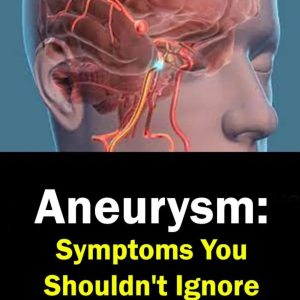
These can include:
Ultrasound: Often used to examine the abdominal aorta.
CT scan: Helps identify aneurysms and assess their size and location.
MRI or MRA: Provides detailed images of blood vessels and surrounding structures.
CT angiography: Uses imaging and contrast material to examine blood vessels.
Some aneurysms can be monitored over time, while others may require treatment.
Final Thoughts
An aneurysm does not always cause symptoms, and many are discovered before they become an emergency. However, sudden severe headaches, unexplained severe chest or back pain, fainting, and sudden neurological changes are warning signs that require immediate medical attention.
The most






Comments